

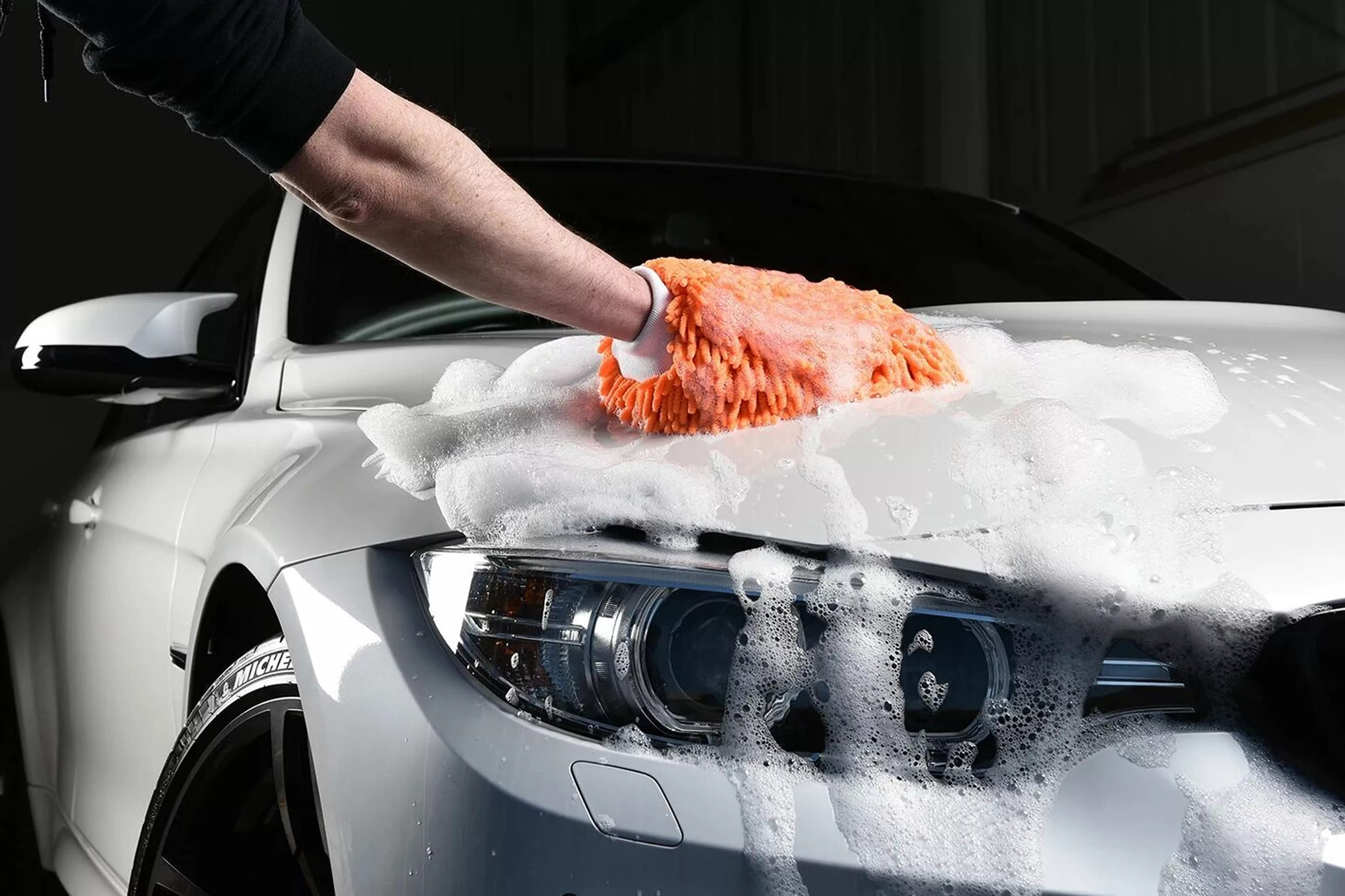
How to Wash Your Car at a Car Wash Without Damaging the Body
Careful washing does more than restore shine. It also protects the clear coat from corrosion and fading. The problem is that incorrect use of a high-pressure washer can leave more scratches than a month of driving on dirty roads. Let us look at how to wash your car yourself without damaging the finish, especially when you have access to an open self-service wash bay.
Why the Body Gets Damaged During Washing
The main enemy of clear coat is abrasive dirt: sand, road dust, and tiny stones. When these particles are rubbed across the surface with a sponge or cloth, they create a network of micro-scratches that becomes visible in direct sunlight. Over time, this web of fine scratches makes the finish look dull and reduces the depth of the paint color.
The second factor is aggressive chemicals and hard water. Excessively concentrated foam can damage the protective layer, while salts in poor-quality water leave white marks after drying. That is why not only the washing process itself matters, but also the settings of the equipment.
What Is a Self-Service Wash Bay
A self-service car wash is an open area with individual bays where the driver operates the foam generator and high-pressure washer. You pay by card or coins and switch between programs with a button: water, foam, wax, and final rinse.
This format is convenient because of its low price and full control over the process. There is almost always a self-service car wash near home with round-the-clock access, so you can wash your car even late in the evening without waiting in line or spending extra money.
Self-Service Bay or Full-Service Car Wash
Both options have their advantages. The choice depends on your budget, available time, and the condition of the car. Here is a short comparison to help you decide.
At a self-service bay:
• The price is lower because you pay only for the minutes you use.
• You have complete control over the quality of the wash.
• Washing takes 10-20 minutes with a little practice.
• The risk of scratches is minimal if you work carefully.
• The format is suitable for regular light washing.
At a full-service car wash:
• The price is higher and usually based on a fixed rate.
• The quality depends on how carefully the particular worker performs the job.
• The process takes 20-40 minutes, often including waiting time.
• The risk of scratches depends on the condition of the equipment and tools at that location.
• The format is suitable for heavy contamination and full detailing.
If the body is simply dusty, washing it yourself is cheaper and can be safer. After off-road driving or when the car is covered with a greasy road film, it makes sense to leave the job to professionals.
The Correct Washing Order
A proper wash should go from top to bottom and from simple steps to more intensive ones. This order prevents dirt from settling again on panels that have already been cleaned. First, rinse off the main dirt with clean water under pressure, without using chemicals. Then apply active foam from bottom to top and let it work for 1-2 minutes, after which rinse the foam from top to bottom without touching the body with your hands. If necessary, use a soft brush only on heavily soiled areas, and finish the process with the wax program and a final rinse using demineralized water.
Do not let the foam dry in direct sunlight: once it dries into a crust, it becomes harder to rinse off and may leave spots on the clear coat. In hot weather, work faster and wash the car in the shade of the bay.
Technical Section: Washer Settings
The result depends on how the equipment is adjusted. The following are general guidelines that reduce the risk of damaging the finish.
Water pressure: a safe range is 100-140 bar. At higher pressure, there is a greater risk of chipping weak or damaged clear coat.
Nozzle distance: keep the nozzle 25-40 cm from the body. When it is closer, the jet hits the surface much harder, while farther away, cleaning becomes less effective.
Water temperature: 30-40 degrees is optimal. Warm water dissolves dirt more effectively.
Foam type: choose a touchless alkaline foam that does not require rubbing.
Final rinse: use an osmosis rinse or the wax program. This helps prevent water spots and adds a protective layer.
Also pay attention to the spray angle: a narrow jet concentrates pressure in one small area and can damage a sticker or molding. For the body, a wide fan-shaped spray is sufficient.
Your Own Equipment for Safer Washing
The equipment at a self-service bay is designed for touchless washing, but a few personal items can significantly reduce the risk of scratches. They are easy to keep in the trunk and take out when needed. A long-pile microfiber towel is useful for gentle drying without streaks, while a separate sponge or wash mitt should be used only for wheels and rocker panels. A soft detailing brush is useful for the radiator grille and hard-to-reach gaps, and if you do not like the wax program available at the wash, you can bring your own liquid wax concentrate.
The two-bucket method also works well: keep clean water in one bucket for soaking and another for rinsing the sponge. This allows abrasive particles to settle at the bottom instead of being returned to the paint with every movement.
How to Stay Within Your Paid Time
At a self-service bay, you pay by the minute, so rushing and unnecessary movements cost you money. A little preparation helps you wash the car calmly and without overspending. Prepare your card or coins in advance so you do not have to look for payment during the process, and keep your microfiber towel and wax within reach so you do not have to run to the trunk halfway through the wash. It is best to start by rinsing off the main dirt while the first program is running.
An average passenger car needs 10-15 minutes if you follow a plan. For an SUV or a car that has just returned from a long road trip, allow another 5-7 minutes, especially for foam and rinsing.
Common Driver Mistakes
Even a convenient self-service bay cannot protect you from typical mistakes. In most cases, the clear coat is what suffers.
- Washing the entire car with one sponge: sand from the rocker panels gets transferred to the hood.
• Holding the jet too close to the body: there is a risk of chips and damage to seals.
• Drying with a dry cloth: circular scratches appear across the entire surface.
• Ignoring wheel arches and rocker panels, where road salt and chemicals accumulate.
• Washing in freezing weather: water can freeze inside locks and door hinges.
Tips for Keeping the Shine Longer
To make the effect last longer, add a few finishing steps. They take only a few minutes but provide noticeable protection for the finish.
- Dry the body with a clean, lint-free microfiber towel, blotting the surface instead of rubbing it.
• Once a month, apply liquid wax or a spray sealant to create a hydrophobic layer.
• Use a separate cloth for windows and mirrors so you do not drag dirt across the glass.
• In winter, treat the door seals with silicone to prevent them from freezing shut.
Conclusion
Washing your car without damaging the body is not difficult if you follow the correct order and avoid rubbing dirt across the surface. Use moderate pressure, do not let the foam dry, and always finish with gentle drying. This approach helps keep the clear coat looking fresh for years, while regular maintenance costs less than polishing and removing minor scratches before selling the car.