

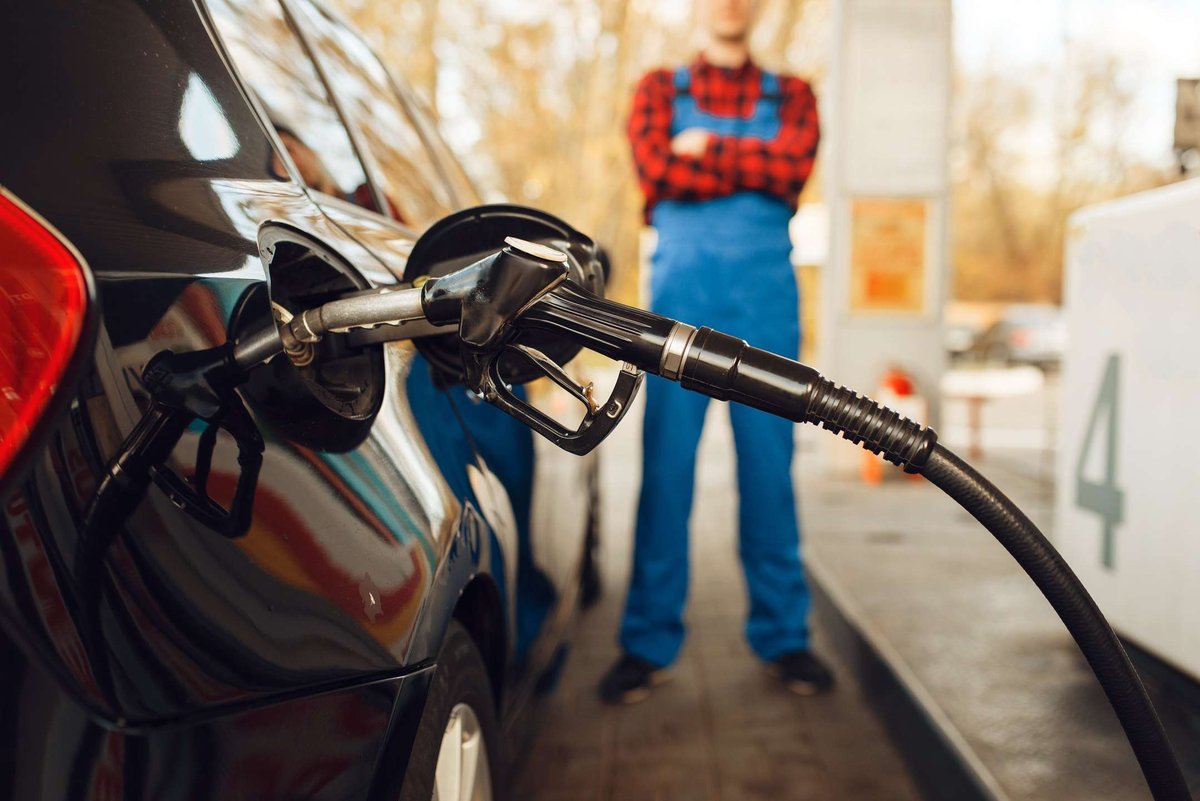
Petrol stations in Georgia for tourists: prices, chains and useful tips
Georgia is popular with road travelers: the hairpin roads of the Georgian Military Highway, the coast of Adjara and the wine regions are easiest to explore by car. To keep your trip from turning into a quest for fuel, it is worth understanding in advance how local gas stations work, how much fuel costs and which networks are considered reliable. Let us look at prices, brand differences and practical payment details.
How Much Does Fuel Cost in Georgia
Fuel prices in the country are tied to the global market and the exchange rate of the lari, so they can change almost every week. The average gas station is slightly more expensive than in Russia but cheaper than in Europe. Below is an approximate price range that is worth checking locally:
Regular 92: 2.6-2.9 lari per liter.
Premium 95: 2.9-3.2 lari per liter.
Super 98: 3.2-3.6 lari per liter.
Diesel: 2.9-3.3 lari per liter.
Gas (propane): 1.5-1.8 lari per liter.
The difference between brands is usually small, within 5-10 tetri per liter. Gas is noticeably cheaper, so many locals drive cars running on propane, and a gas station is available in almost every city.
Prices vary noticeably by region. In Tbilisi and on the busy road to Batumi, competition is high, so fuel tends to be cheaper. In the mountains, prices can rise by 10-15 tetri, while the choice of stations becomes smaller, so before heading to Svaneti or Tusheti, it is worth filling the tank in advance.
Best Gas Station Networks in Georgia
The market is divided among several major players, each with its own reputation for fuel quality and service. Almost all stations of the leading networks accept cards and operate around the clock on major highways.
- Gulf - a wide network with good fuel, convenient on the Tbilisi-Batumi route.
- Wissol - a local brand with Wissol Cafe and clean restrooms.
- SOCAR - an Azerbaijani company with consistent quality and many locations.
- Rompetrol - a Romanian network valued for its premium fuel range.
- Lukoil - a brand familiar to Russians, found less often but still available.
- Portal and Connect - budget options with prices slightly below average.
Experienced drivers recommend choosing Gulf, Wissol or SOCAR for long trips. Such stations are less likely to have diluted fuel, which is especially important for modern engines with sensitive fuel systems.
What to Pay Attention to When Refueling
Service in Georgia often differs from what travelers are used to: at many stations, an operator fills the tank rather than the driver doing it themselves. There are several technical details worth knowing in advance.
- Octane ratings are marked with numbers, as in Europe: 92, 95, 98.
- Diesel is labeled Diesel or Euro Diesel, so it is difficult to confuse.
- On mountain highways, stations become less frequent, so it is better to keep the tank full.
- Not all payment terminals accept foreign cards, so keep some Georgian lari in cash.
- Receipts are provided on request, so ask for one immediately if you need it for reporting.
Also check whether the operator's service is included in the price. Usually refueling is free, but a small tip of 1-2 lari is considered a polite gesture.
Payment Methods and Loyalty Programs
Major gas stations accept Visa and Mastercard without problems, but in remote areas the terminal may not work because of poor connectivity. Cash remains the most reliable option, especially away from large cities.
Major fuel brands offer loyalty cards and mobile apps with bonuses. If you plan to drive a lot, it makes sense to get such a card on the first day. The accumulated points can noticeably reduce the final bill by the end of the trip.
Some stations support payment through an app and contactless payments by phone, but it is better not to rely on this in remote areas. A sensible strategy is to keep some lari in cash while also collecting bonuses through a loyalty card.
What Else Can You Find at Georgian Gas Stations
For tourists, a gas station often becomes a convenient rest stop along the route, not just a place to refuel. Major brands have considerably more infrastructure than you might expect at first glance.
- A mini-market with water, snacks, coffee and local wine in gift packaging.
- Cafes with khachapuri and hot meals, especially at Wissol stations.
- Clean restrooms and rest areas, which are valuable on long drives.
- Tire inflation, basic car care products and ATMs at many stations.
- Free Wi-Fi and quick phone-charging areas near major cities.
Money-Saving Tips
Several tricks can help reduce fuel costs without sacrificing quality. They are especially useful on long trips around the country.
- Fill up with 95 instead of 98 if your car's manual allows it.
- Use bonus liters from loyalty cards on the way back.
- Avoid isolated unbranded stations in the mountains: they can be more expensive and the fuel quality may be lower.
Frequently Asked Questions from Tourists
Travelers in rental cars usually have similar concerns before their first refueling stop. Here are short answers to the most common questions.
- Can I refuel the car myself? Yes, but more often an operator fills the tank, and this is normal.
- Which gasoline should I use in a rental car? Ask the rental company, but usually it is 95.
- Will they provide a receipt for expense reporting? Yes, ask for it immediately at the cashier or from the operator.
- Are gas stations open at night? On highways and in cities, most are open around the clock.
Conclusion
Georgia's fuel infrastructure is fairly well developed, and a reliable gas station can be found along all major highways. Prices are moderate, the choice of brands is sufficient, and quality among the market leaders is consistent. Plan your route according to the distances between stations, keep some Georgian lari in cash and prefer established networks such as Gulf, Wissol and SOCAR. Then your road trip around the country should pass without fuel surprises or unnecessary expenses.